Solar for Peace Project Expands Digital Learning and Clean Energy in Bidibidi Refugee Settlement
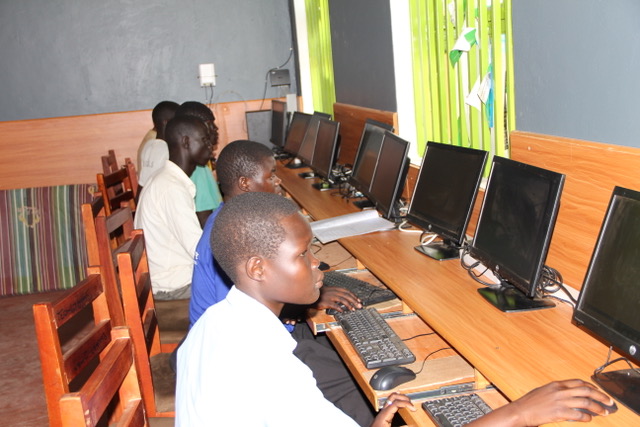
The Solar for Peace Project by JPIIJPC- supported by AMAP is expanding digital education, clean energy, healthcare, and peacebuilding in Bidibidi Refugee Settlement. Through solar-powered ICT labs, health-centre solar systems, digital skills training, and peace clubs, the project is creating greater opportunities for refugee and host-community children and families.
John Paul II Justice and Peace Centre (JPIIJPC) is continuing to advance education, healthcare, peacebuilding, and access to clean energy in Bidibidi Refugee Settlement through its Solar for Peace Project.
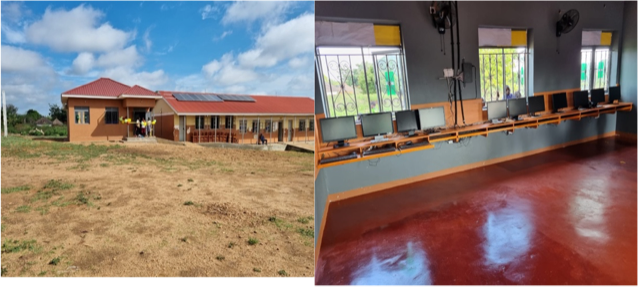
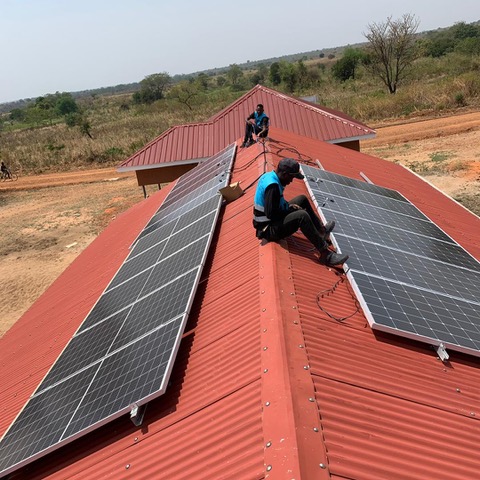
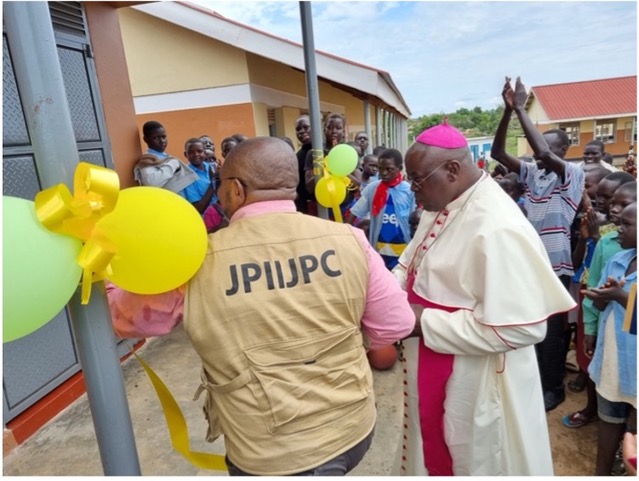
The project has expanded digital learning opportunities through the establishment of solar-powered computer laboratories at Twajiji Hope Primary School, Koro Primary School, Kado Primary School, and Yangani Secondary School. Each facility is equipped with 20 computers, internet connectivity, air conditioning, fans, and other essential infrastructure, providing refugee and host-community learners with improved access to technology and digital learning resources.
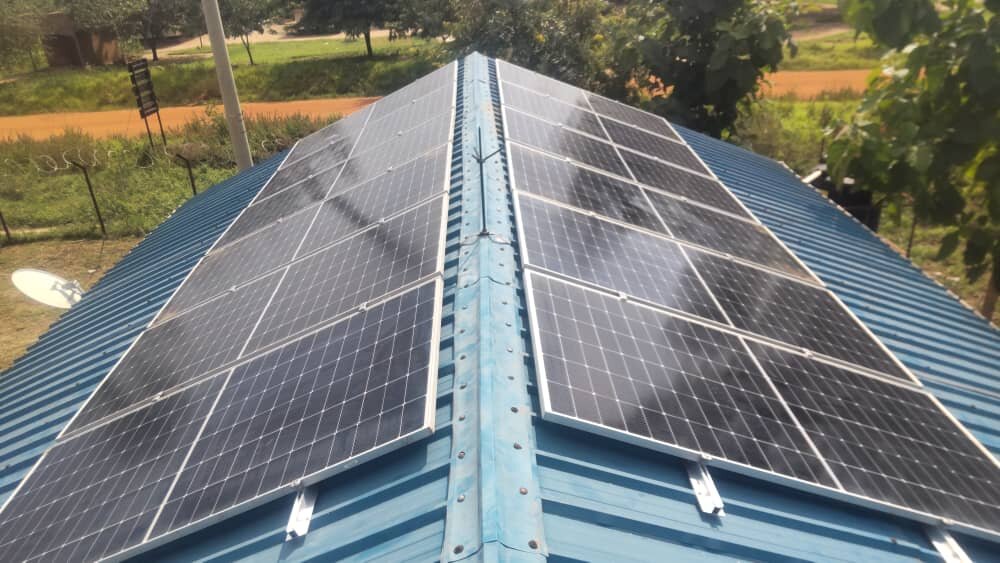
The project has also strengthened healthcare services through the installation of solar power systems at Bolomony and Yoyo Health Centres. Bolomony Health Centre III received a 5.5KW solar system, replacing a generator that previously provided limited power, while Yoyo Health Centre III received a 5KW solar system. Okubani Health Centre III also benefited from an 8KW solar power system, helping to improve the reliability of electricity for healthcare delivery.
To strengthen digital and administrative capacity at the beneficiary health facilities, JPIIJPC provided laptops, a printer, and internet connectivity, while 40 health personnel were trained in solar system maintenance, computer use, data entry, and internet research. These interventions are contributing to more efficient health service delivery and improved data management.
Beyond infrastructure, the Solar for Peace Project is promoting peaceful coexistence and children's rights. Peace clubs and child-friendly rights sessions have been established in four schools, providing learners with opportunities to promote dialogue, inclusion, mutual respect, and peaceful relationships within their communities.
The Centre is also constructing and equipping an ICT laboratory at St. Daniel Comboni Primary School. Once completed, the facility will have 20 computers, internet connectivity, air conditioning, fans, and other supporting infrastructure, further expanding access to digital education for refugee and host-community learners.
Through these interventions, the Solar for Peace Project is helping to bridge the digital divide, promote renewable energy, strengthen healthcare services, and nurture a culture of peace and opportunity in Bidibidi Refugee Settlement.
Related Articles
Aug 12, 2026
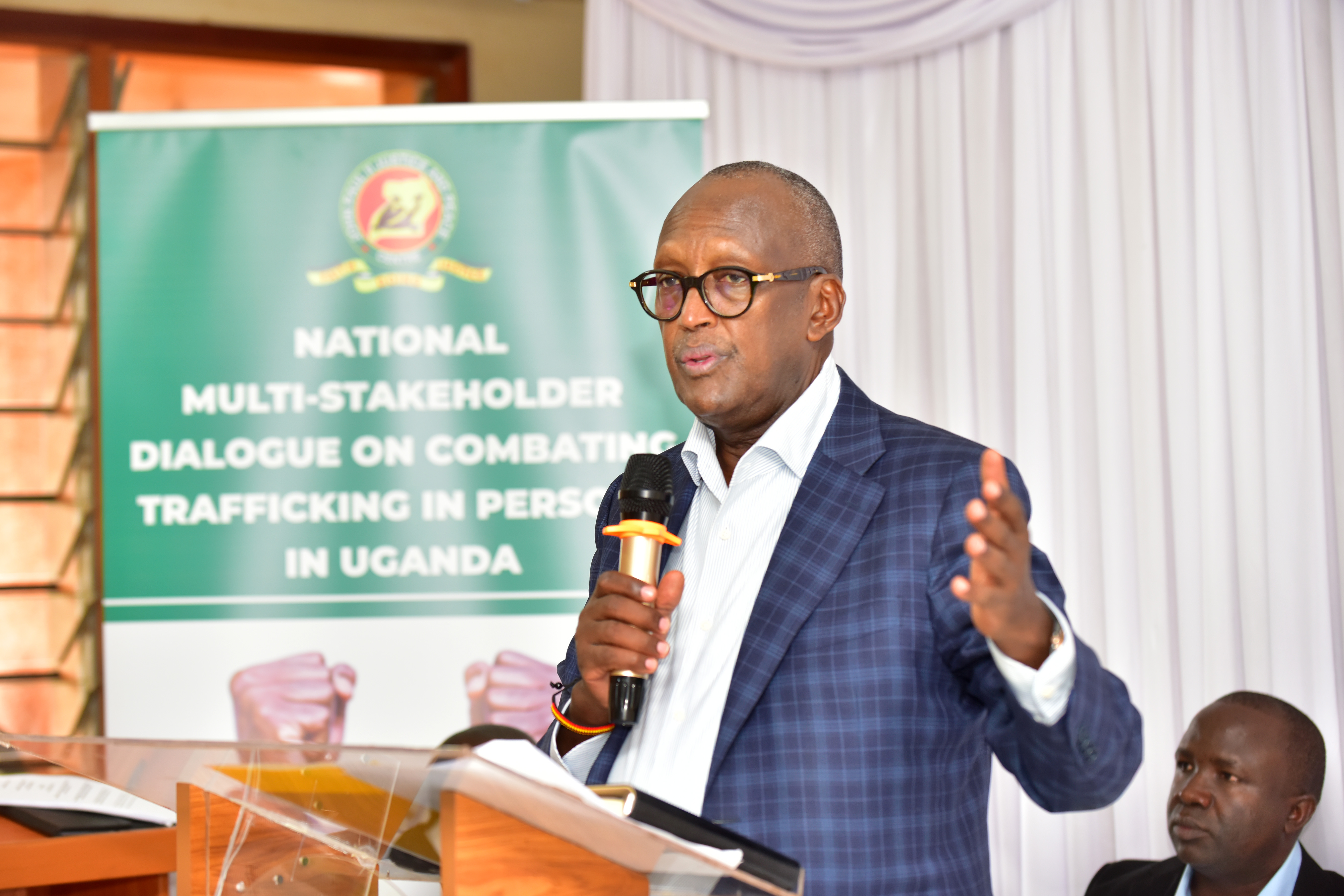
Minister of Gender, Labour and Social Development, Hon. Gen. Tumukunde, and key stakeholders have called for stronger coordination and collective action to combat trafficking in persons in Uganda during a national dialogue organised by JPIIJPC.
Read